How Often Should You Get Oral Cancer Screenings?
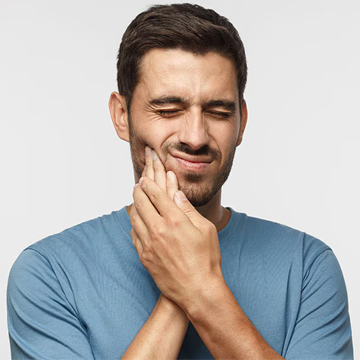
Regular oral cancer screenings are an essential part of a good oral health care routine. In this article, we discuss how often you should get oral cancer screenings, describe the procedure, and talk about oral cancer risk factors and prevention methods.
How Often Should You Get Oral Cancer Screenings?
Adults over age are recommended to undergo oral cancer screenings at least once a year. People between 20 and 40 may undergo the screenings every 2 to 3 years if they have a low risk of oral cancer development. It is good practice to combine an oral cancer screening with one of your bi-yearly dental checkups and cleanings. Individuals with high risk of oral cancer development may be recommended to have screenings every 6 months.
What Happens During an Oral Cancer Screening
An oral cancer screening is a quick and painless exam and typically takes less than 5 minutes.Your dentist will conduct a visual examination of the face and neck for swelling and lumps,check the tongue and the inside lining of the lips and cheeks for color changes or sores, andscreen the roof of your mouth and back of your throat. Then, your doctor will conduct a physicalcheck (palpation) of the area under the jaw, the neck lymph nodes, and the tissue in the mouth.In some cases, your dentist might use a special blue rinse, dye, or blue or fluorescent light toreveal abnormal cells or growths.
Oral Cancer Risk Factors
The most common risk factors for developing oral cancer include:
- Smoking, chewing tobacco, or using nicotine pouches
- Heavy alcohol consumption
- Human papillomavirus infection (HPV)
- Past history of precancerous lesions
- Weakened or compromised immune system
- Inherited genetic defects, such as Fanconi anemia or dyskeratosis congenita
- Long-term inflammatory tongue or oral mucosal conditions
- Insufficient nutrition
- Being over 55 years of age
- Constant sun exposure of the lips
How to Prevent Oral Cancer
To prevent oral cancer, we recommend combining the following habits and measures:
- Avoid smoking, chewing tobacco, and other nicotine products
- Limit alcohol intake
- Protect your lips with an SPF 30+ lip balm and limit sun exposure
- Support your immune system by eating the recommended amount of fruit, vegetables,nuts, protein, and whole grains
- Get an HPV vaccine or address the virus if you have it
- Report to your doctor mouth sores or lumps that do not go away within two weeks
- Inspect your mouth regularly and have yearly professional oral cancer screenings
What Are Oral Cancer Symptoms
We recommend scheduling an appointment with your doctor as soon as possible if you noticethe following symptoms:
- Flat gray or white patches in your mouth or throat
- Raised or flat patches that sometimes bleed if scraped
- Sores in the mouth or on lips that bleed easily and do not heal within two weeks
- Rough or crusty spots in the mouth or on lips
- Areas in the mouth that bleed even if there are no obvious changes in the appearance
- Numbness or pain in the mouth, or on lips, face, or neck
- Difficulty speaking, swallowing, chewing, or moving the tongue
- Persistent bad breath
Have an Oral Cancer Screening at Watt Antelope Family Dentist
If you need an oral cancer screening, a dental checkup, or treatment services, do not hesitate tomake an appointment with an experienced family dentist at Watt Antelope Family Dentist. At ouroffice, we use modern methods of diagnostics and provide reliable treatment methods to everyclient. We are looking forward to your visit.

Connect With Us
We look forward to meeting you. Contact us today to schedule an appointment.


